This guide will walk you through everything you need to know before getting your first tattoo, helping you make confident and informed decisions.
Why Getting Your First Tattoo Is a Big Decision
A tattoo is permanent, which means it deserves careful thought. Unlike temporary trends, your tattoo should reflect something meaningful—your personality, beliefs, or a memory you want to carry forever.
Many first-timers rush into decisions based on trends or peer influence. Instead, take your time to research, explore styles, and understand the process.
Choosing the Right Tattoo Design


4
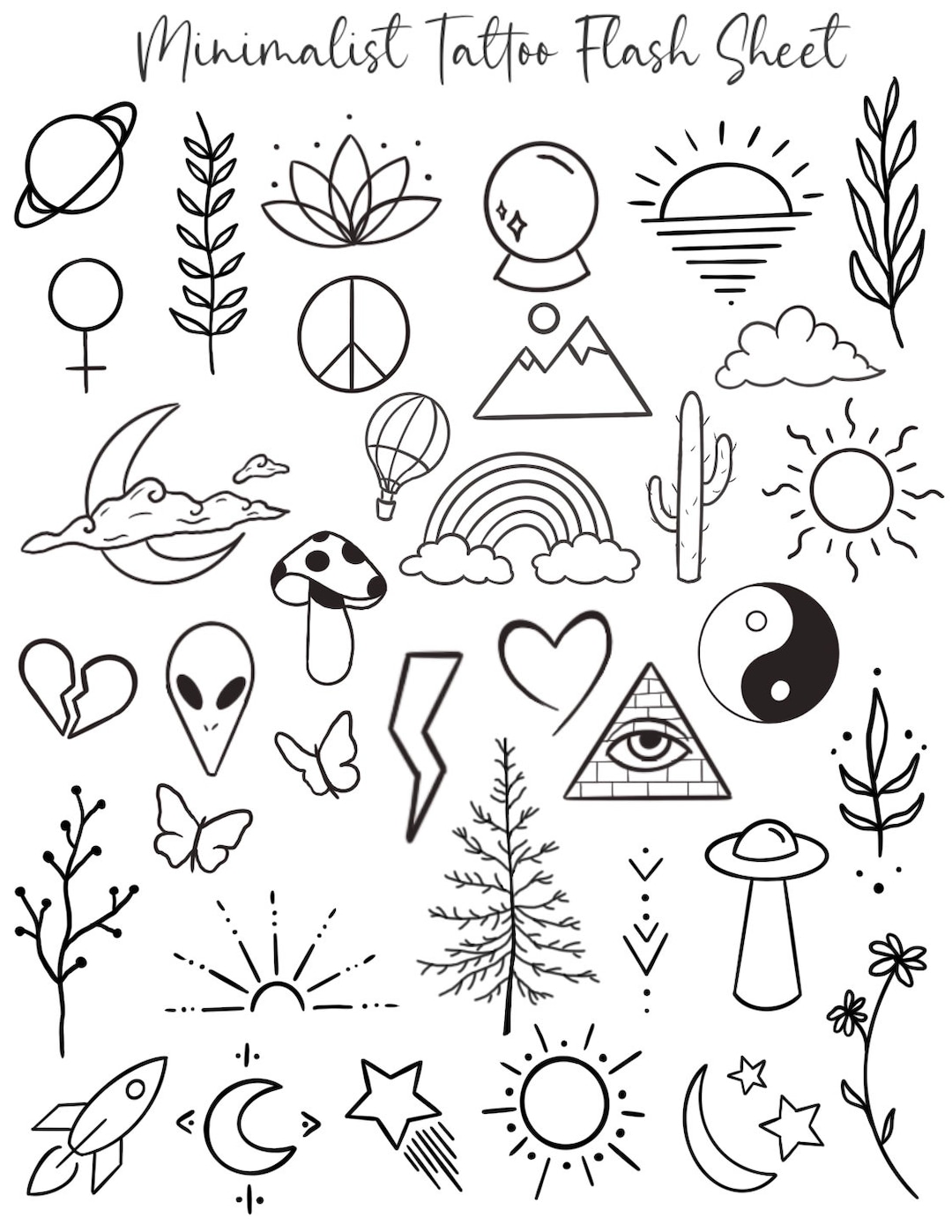
Your tattoo design is the most important part of the process. It should be something you’ll still love years down the line.
Tips for selecting your design:
- Go for something meaningful rather than trendy
- Keep it simple for your first tattoo
- Think about long-term relevance
- Research different tattoo styles
Popular styles include minimalist, realistic, geometric, and traditional tattoos. If you’re unsure, a professional artist can help refine your idea into something unique.
Picking the Perfect Placement

4
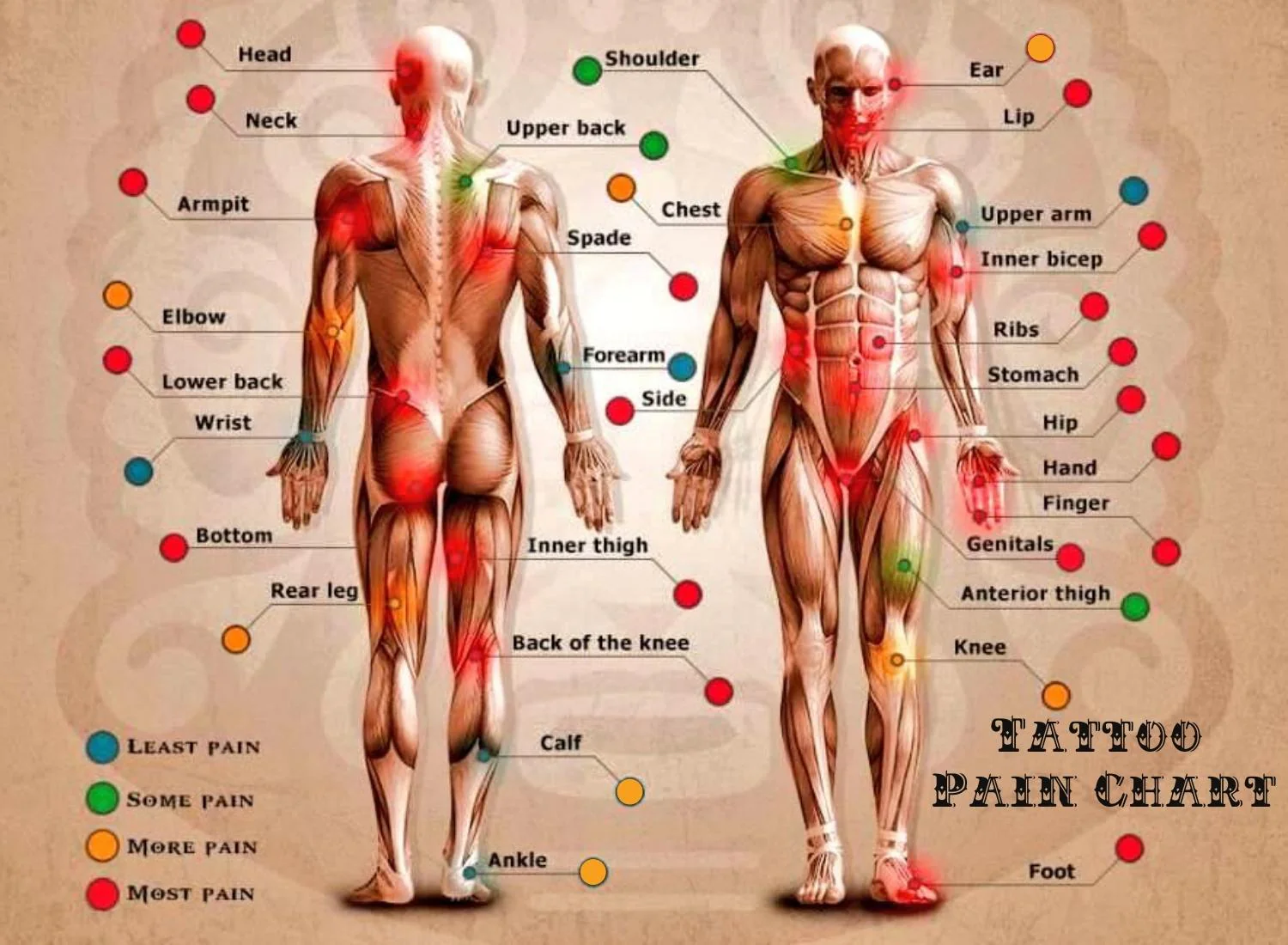
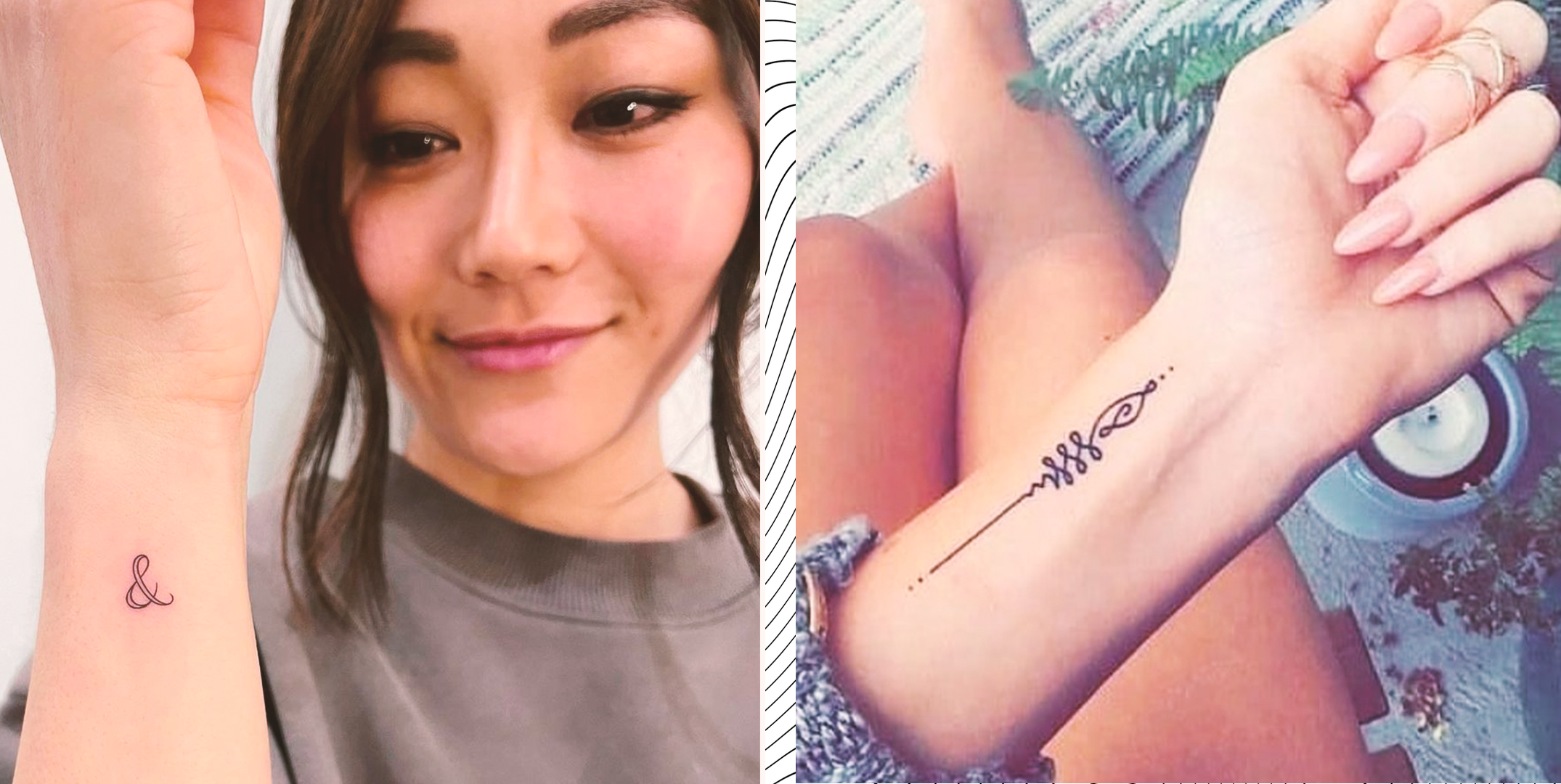
Placement affects both the look of your tattoo and your pain level.
Common beginner-friendly placements:
- Forearm
- Upper arm
- Shoulder
- Calf
Areas like ribs, spine, or feet tend to be more painful, so they may not be ideal for your first experience.
Also consider visibility—do you want your tattoo to be easily seen, or more private?
Choosing the Right Tattoo Studio


4
Selecting a professional studio like Machu Tattoos is crucial for both safety and quality.
What to look for:
- Clean and hygienic environment
- Experienced artists with a strong portfolio
- Proper sterilization practices
- Positive customer reviews
Never compromise on hygiene or professionalism—it directly impacts your health and the final result.
What Happens During the Tattoo Process
Understanding the process can help reduce anxiety.
Step-by-step:
- Consultation with the artist
- Finalizing the design and placement
- Stencil application on your skin
- Tattooing using a machine
- Cleaning and bandaging
Depending on the size and detail, the process can take anywhere from 30 minutes to several hours.
Does Getting a Tattoo Hurt?
Pain is one of the biggest concerns for beginners.
The truth is—it does hurt, but the level varies depending on:
- Placement
- Size of the tattoo
- Your pain tolerance
Most people describe it as a scratching or burning sensation. The good news is that the pain is manageable and temporary.
Tattoo Aftercare: The Most Important Step


4
Aftercare determines how well your tattoo heals and how it looks in the long run.
Basic aftercare tips:
- Keep the tattoo clean and dry
- Apply recommended ointment
- Avoid direct sunlight
- Do not scratch or pick the skin
- Stay away from swimming during healing
Healing usually takes 2–4 weeks, but proper care should continue even after that to maintain vibrancy.
Common Mistakes to Avoid
Many first-timers make avoidable mistakes. Here are a few to watch out for:
- Choosing a design too quickly
- Ignoring aftercare instructions
- Going to cheap or unverified studios
- Getting a tattoo under peer pressure
- Not checking the artist’s portfolio
Taking your time can save you from regret later.
How Much Does a First Tattoo Cost?
Tattoo pricing depends on several factors:
- Size and complexity
- Artist’s experience
- Studio reputation
- Location
Small tattoos may start from a basic price, while detailed designs can cost significantly more. Remember—quality matters more than price when it comes to permanent art.
How to Prepare Before Your Appointment
Preparation helps make your experience smooth and comfortable.
- Get a good night’s sleep
- Eat before your session
- Stay hydrated
- Wear comfortable clothing
- Avoid alcohol before the appointment
Being relaxed and prepared makes the process easier for both you and the artist.
Final Thoughts
Your first tattoo is a memorable experience—one that stays with you for life. By choosing the right design, placement, and studio, you can ensure it’s something you’ll always be proud of.
Take your time, do your research, and trust professionals who understand both the art and the responsibility that comes with it.
A well-done tattoo isn’t just ink—it’s a story, a memory, and a piece of who you are.